Carry Less, Roam Further: Alpine Mornings to Sea-Salt Sunsets

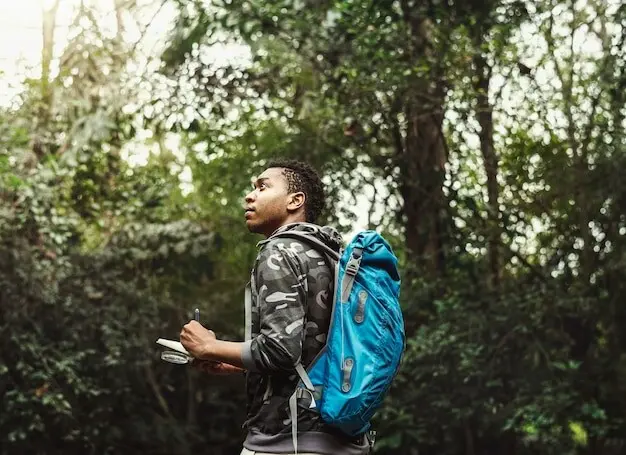
Pack intention, not excess, and feel the freedom of moving from frosty ridgelines to warm beaches with energy to spare. Today we focus on minimalist packing and lightweight gear for Alpine-to-sea weekends, blending smart choices, field-tested tricks, and joyful efficiency. Expect practical lists, stories that spark confidence, and clear strategies that shave grams without sacrificing safety, comfort, or awe along the way. Share your favorite ultralight swap, subscribe for fresh route ideas, and join the conversation.

Purpose-Driven Packing Checklist

Clarity beats clutter. Start by naming your route’s elevation range, likely temperatures, surface types, and access to water, then trim every item until each earns its place. Aim for a base weight you can jog with, not just carry. We’ll outline a lean kit that handles granite scrambles, damp forests, and breezy boardwalks, using multi-use items, intentional redundancy only where lives depend on it, and a packing flow that speeds every transition.

The Three-Use Rule

Let usefulness be the passport. If an item cannot serve at least three meaningful functions—like a bandana as pot grabber, pre-filter, and sun shield—question it. When every gram proves value in multiple contexts, your pack shrinks, your options expand, and decisions on the trail become swift, confident, and delightfully simple.

Base Weight Targets by Season

Numbers motivate action. For shoulder seasons with chilly alpine dawns, aim for a sub five to seven kilogram base weight by leaning on efficient insulation and wind protection. In warmer months, dip lower by swapping to quilts, tiny cook setups, and lighter water treatment. Track your spreadsheet relentlessly, and celebrate every ten grams reclaimed through smarter choices rather than riskier omissions.
Layering That Breathes in the Alps and Calms the Coastal Breeze

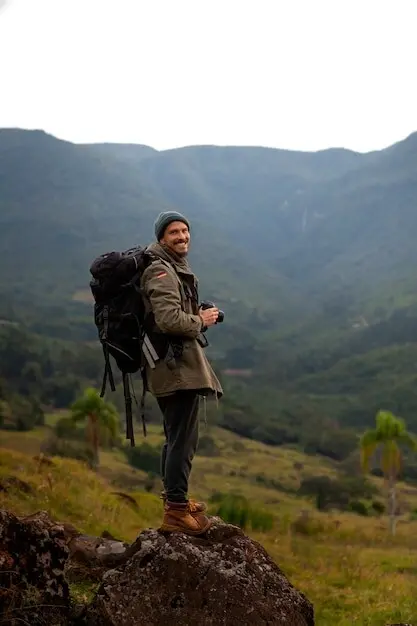
Temperature swings define this journey. Build a system around moisture management and quick adaptability: wicking base, active insulation, wind layer, and a reliable rain shell. Plan for predawn chill above tree line, sweaty ascents, shaded gullies, then salt-sweet air beside gentle surf. We’ll compare merino and synthetics, share pairing tips, and show how a thirty-second clothing change at a break spot keeps calories fueling movement instead of wasted on shivering or overheating.

Active Insulation vs. Static Warmth

Active insulation breathes while you’re climbing, preventing the wet chill that ruins morale later. Static warmth traps heat superbly at camp but often overheats on the move. Mix a light, air-permeable jacket for effort with a compact puffy for stops, creating a flexible duo that saves weight by eliminating bulky, redundant layers you never actually wear.

Choosing the Right Shell

Carry a wind shirt for constant finesse and a true waterproof for storms. The first handles gusts on exposed ridges and cool coastal evenings with barely any grams. The second earns its keep when sleet hits or sea squalls rise. Prioritize fit, durable seams, and breathability over fancy marketing, then test the hood in real wind before trusting it.

Sock Strategy for Elevation Changes and Sand

Happy feet carry dreams. Rotate thin wool socks for climbs with slightly cushioned pairs for pounding descents and beach approaches. Pack a sacred dry camp pair, protected in a zip bag. Rinse trail grit often, powder hotspots quickly, and accept that occasional sock changes are faster than nursing blisters that end weekends early and dim hard-earned summit joy.

Ultralight Shelter and Sleep That Adapt from Granite to Dunes

Sleep is performance. Choose shelter and bedding that balance protection, weight, and setup speed when weather flips between snowy squalls and calm sea air. Trekking-pole tents, shaped tarps, or a minimalist bivy all shine with the right groundsheets and stakes. Quilts save grams while enabling venting on warm shores. Select pads with suitable R-values and lengths that match your body, so recovery is complete and mornings begin with eager legs, not stiffness.

Water, Fuel, and Food That Travel Light Yet Keep You Moving

Hydration and calories drive momentum. Treat snowmelt confidently, sip consistently, and stage refills where streams or coastal taps appear. Decide between hot meals for morale and cold-soak simplicity that eliminates stove weight. Select calorie-dense, chewable foods that tolerate jostling and heat. Electrolytes tame cramping on steep grades and help after sandy beach miles. Plan portions by time and effort, not vague hunger, and you’ll finish weekends with margin, not desperation, carrying less water and fuel yet feeling remarkably steady.

Smart Hydration Between Snowmelt and Surf

Filters shine where flow is steady; tablets excel in fast stops or silty sources near river mouths. Carry flexible bottles for variable capacity, using shoulder-strap flasks for constant sipping. Track intake by hour, not thirst. On windy ridges or salty beaches, compensate for extra evaporation, and finish days with a comfortable reserve to avoid late-night searching.

Stoveless Menus That Still Feel Like Comfort

Cold-soak oats, couscous, or instant refried beans turn into satisfying meals with olive oil, spices, and crunch from nuts. Jerky, cheese, and tortillas assemble into sturdy lunches. Pack treats that boost morale at the exact midpoint. Without a stove, you gain speed, simplicity, and space, trading simmer time for sunset walks and unrushed seaside conversations.

Fuel Planning and Multiday Efficiency

If hot meals lift spirits, estimate fuel by real boil counts rather than guesses. Share stoves within the group, use lids, and shield flames from alpine gusts. In warmer zones, choose canister sizes that just meet needs. Record outcomes after each trip, steadily tightening margins until your kit feels effortless, precise, and dialed to your routes.
Trail Runners with Mountain Grip
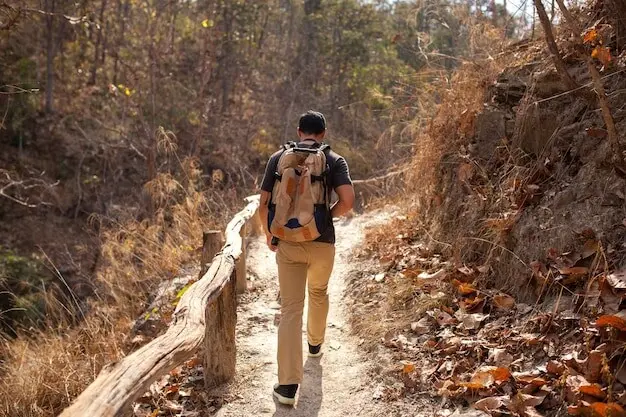
Look for lugs that bite into damp soil yet release sand, a secure heel, and woven uppers that dry quickly after creek splashes. Rock plates tame sharp talus. Try shoes late in the day to match swelling. Replace insoles before cushion collapses, because comfort compounds mile after mile, preventing fatigue that no ultralight trick can offset.

Poles for Power on Climbs and Control on Descents

Adjustable poles let you lengthen for steep grinds and shorten for switchbacks. Wrist straps used correctly save forearm energy; carbide tips grip rock, rubber caps respect fragile boards. Practice plant timing on easy trails first. With rhythm dialed, you’ll move faster, smoother, and safer, especially when coastal winds push or alpine rubble tries to steal balance.

Forecast Stacking and Decision Points

Check multiple forecasts for mountains and coast, then note agreement and outliers. Mark decision points before starting: passes, river mouths, exposed ridges, and tide-sensitive sections. Carry cutoffs for turning back without shame. When plans are explicit, choices during fatigue stay rational, protecting weekends from preventable dramas and ensuring you return with stories, not regrets.

Micro-Kit First Aid and Repairs

Carry only what you know how to use: blister pads, antihistamine, pain relief, a few bandages, Leukotape, and a compact needle with thread for gear fixes. Add a tiny multitool, safety pin, and tenacious tape. These grams solve common problems quickly, preventing spirals where minor nuisances become trip-ending issues far from either summit huts or coastal towns.

Wildlife and Coastal Hazards Awareness
Respect alpine goats, marmots, and nesting birds by giving space and sealing scented items. At the coast, read tide tables, avoid unstable bluffs, and stay clear of sneaker waves. Sun protection matters twice: at elevation and on reflective beaches. With foresight and patient observation, encounters turn from risks into highlights, remembered for beauty rather than close calls.
Ravodavorinozerasanopira
Privacy Overview

This website uses cookies so that we can provide you with the best user experience possible. Cookie information is stored in your browser and performs functions such as recognising you when you return to our website and helping our team to understand which sections of the website you find most interesting and useful.