Quiet Steps Between Alpine Huts in the Julian Alps
Today we explore hut-to-hut micro-itineraries for introverted hikers in the Julian Alps, celebrating compact journeys that prioritize calm, reflection, and restorative solitude. Expect gentle daily distances, considerate planning strategies, and practical, human details that help you savor clear limestone ridges, spruce-scented plateaus, and warm hut hospitality without feeling overwhelmed by crowds or chatter along the way.
Planning Calm, Compact Journeys
Design short, satisfying hut-to-hut days that leave space for quiet pauses by tarns and larch groves, not frantic scrambles toward distant summits. Focus on routes with modest elevation gain, reliable markings, and welcoming huts reachable before afternoon storms. Consider steady eight-to-fourteen kilometer stages, book ahead discreetly, and let your schedule breathe so you can nap, journal, or sip mountain tea while the valleys yawn with birdsong and your thoughts finally settle into unhurried clarity.
Choosing Distances That Breathe
Micro-itineraries shine when you cap the ambition and honor lingering moments. Pick stages that climb gently and end early, where a mid-afternoon bench on a sunny pasture becomes the day’s highlight. In the Julian Alps, many rewarding huts sit within half-day reach, allowing you to explore side paths, watch cloud shadows glide across limestone, and arrive rested enough to relish dinner conversations without the weight of exhaustion pressing on your eyes.
Mapping with Intention, Not FOMO
Use detailed 1:25,000 maps and trusted digital tools to compare gradients, water points, and escape routes, then deliberately leave worthy peaks for another visit. Red-and-white Knafelc waymarks guide most trails, but your true compass is comfort. Plan options A and B, choose the quieter valley when groups appear, and practice turning back with pride. A restrained map line often becomes a richer story, because unscheduled silence fills the space left by restless haste.
Booking Discreetly and Early
A quick, courteous email or phone call to hut keepers reduces uncertainty and protects precious headspace. Ask about half-board, blankets, and water availability, then confirm arrival windows to dodge evening crunch. Mention dietary needs early and note that cash may still be preferred in certain huts. Nothing steadies a reflective hiker like knowing a mattress and warm soup await, so logistics become a soft nest rather than an anxious riddle echoing up the switchbacks.
Shoulder Months, Midweek Magic
June before school holidays and September after summer peaks can feel like a secret handshake. Trails still hum with life, but huts breathe easier, and evenings unfold without clatter. Aim Monday through Thursday to slip between weekend surges. Cool air sharpens distant ridges, and you’ll likely share benches with only a handful of kindred walkers. The gift is not emptiness, but space enough to notice raindrops ticking softly on wood and your pulse easing into rhythm.
Dawn Starts, Unhurried Afternoons
Leaving before sunrise grants silence stitched with owls and the first bell of chamois on stony slopes. You’ll reach the next hut while the day still stretches wide, with thunderstorms safely building behind walls and windows. Early arrival means choosing a quieter bunk, washing socks in sunshine, and reading a chapter before dinner. The mountain teaches that slowness is not laziness; it is precision, placing your attention gently where the day is actually happening.
Navigation and Safety for Solo Quietude
Solitude feels nourishing when underpinned by steady navigation habits and simple safety rituals. Follow Knafelc marks, confirm junctions with a map, and log key coordinates offline. Share your plan with a trusted contact or a hut keeper, and know that emergency number 112 connects you to mountain rescue. Avoid exposed ferrata unless equipped and experienced, and favor trails whose difficulty matches your energy. Safety here is not drama; it is comfort, discretion, and dependable calm.

Hut Life, Manners, and Restful Evenings
Huts are more than roofs; they are tiny communities where kindness multiplies comfort. Arrive early, greet staff, and store boots and poles where directed. Ask about water and drying lines, choose a quieter corner if available, and use earplugs without apology. A few Slovenian phrases melt tension, and paying promptly eases the rush. Rest is built from courtesies: slippers shuffled softly across old boards, whispered goodnights, and steaming bowls of jota warming the hush between conversations.
Packing Light, Eating Well, Moving Softly
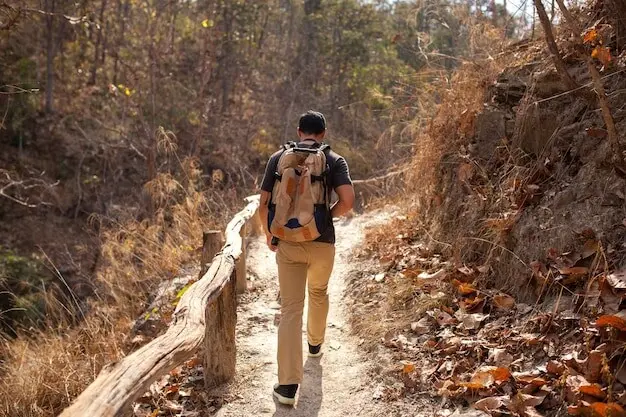
Carry a compact kit that respects changeable weather and shared spaces. A thirty-liter pack, layered clothing, and trail runners or light boots suit most rolling routes. Cash helps where terminals falter, and a small power bank extends navigation. Huts shorten food carries, yet snacks cushion energy between lunches and ridgelines. Choose quiet gear, low-crinkle fabrics, and a red headlamp mode for dorm peace. Well-packed, you walk like a friendly hush passing through sunlit pastures.
Layers for Limestone Weather
The Julian Alps can shift from crisp shade to hot slabs within an hour. Pack a breathable base, windproof shell, light insulation, and a hat. Gloves earn their keep on brisk mornings, and dry socks rescue morale after damp meadows. Keep rain protection accessible, not buried. Clothing that handles fluctuation lets you notice subtle scents—resin, thyme, wet stone—because you are never distracted by discomfort. Comfort, in turn, frees attention to wander exactly where curiosity goes.
Food That Calms and Sustains
Hut kitchens often serve ričet, jota, and comforting dumplings, with simple vegetarian options appearing more often each season. Pack a few favorite bars, nuts, and tea bags to customize breaks. Sip steadily and refill at huts where potable water is confirmed, filtering from streams only when advised. Gentle energy is steady energy: no sugar spikes, no fading grumps. Nourished well, you greet each col with equanimity, ready to receive the view without bargaining with your tiredness.
Quiet Gear and Light Footprints
Choose minimal packaging, a soft bottle, and a tiny trash bag to carry out every wrapper. Trekking poles with rubber tips muffle clacks on rock, and low-lumen modes protect night eyes. Respect signs, meadows, and wildlife distance. A microfiber cloth dries quickly without dripping on dorm floors. These choices shrink your wake like a kayak gliding across still water. Your passage leaves only compressed grass where you sat, smiling at swifts stitching the sky into silver seams.
Three Micro-Itineraries for Unhurried Days
Here are compact hut-to-hut journeys tailored for reflective walkers who value gentle pacing. Each outline favors accessible elevation, early finishes, and corners where conversation fades into wind and cowbells. Confirm hut openings and bookings, check weather, and adapt distances to your comfort. Remember that success is measured in quiet, not kilometers. Share your favorite variations with us afterward, so others can learn routes where a day feels long and the mind feels light.


All Rights Reserved.